Best Study Techniques for Students: Pomodoro vs Active Recall
Pomodoro manages your time. Active recall manages your memory. Here is how to combine both into one study routine that survives Nigerian semesters.
5 min read
A friend of mine in 200 level printed a beautiful timetable, downloaded a Pomodoro app, and studied in perfect 25-minute blocks for three weeks straight. He failed the test. Meanwhile another course mate who studied "anyhow" — but always with past questions in her hand — scored 27 out of 30.
That confused me for a long time, until I understood something simple: Pomodoro and active recall are not competitors. They answer two completely different questions.
- Pomodoro answers: how do I actually sit down and start?
- Active recall answers: how do I make sure what I read stays in my head?
Use one without the other and you get exactly what my friend got — disciplined hours, empty memory.
What Pomodoro really is
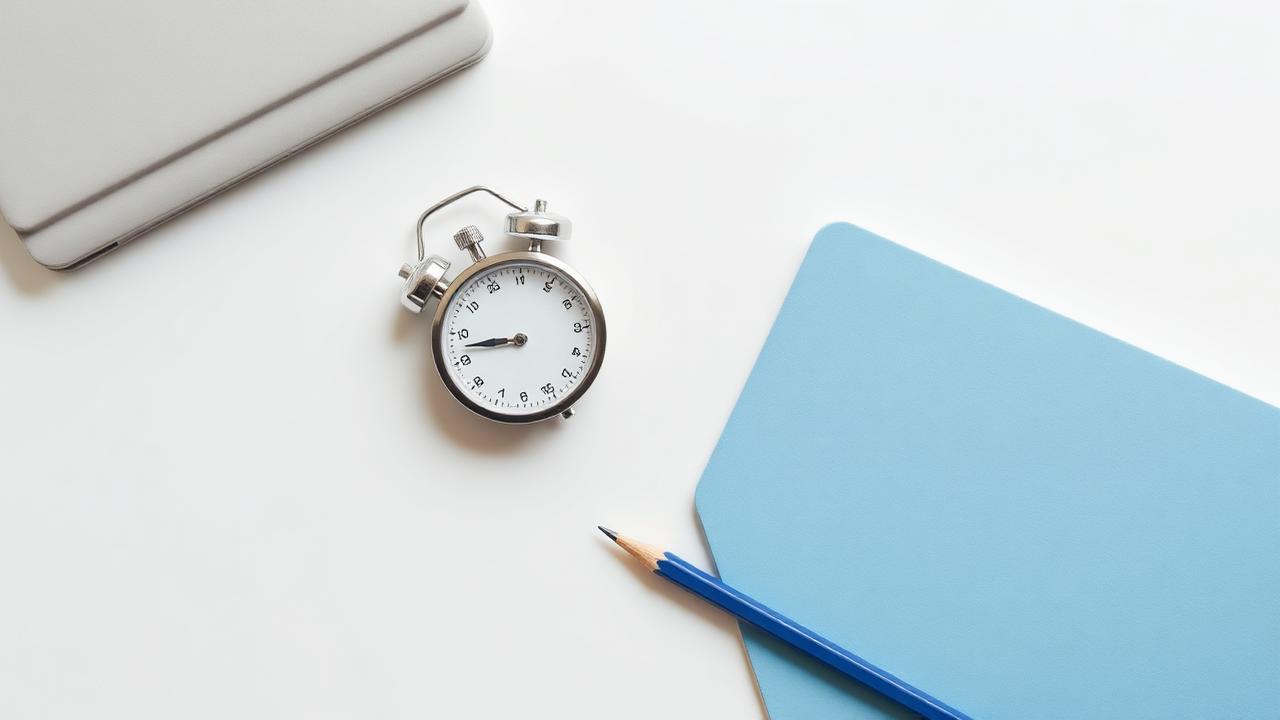
Pomodoro is brutally simple. Twenty-five minutes of focused work, five minutes break, repeat. After four rounds, take a longer break of about twenty minutes.
Why it works for us specifically:
- It makes starting cheap. "Let me read for two hours" is frightening. "Let me read for 25 minutes" is nothing.
- It fights phone drift. You know a break is coming, so you can leave WhatsApp alone until it arrives.
- It survives interruptions. Roommate enters, generator starts, somebody wants to gist — you lose one block, not the whole night.
Where it fails: Pomodoro says nothing about what you do inside those 25 minutes. You can Pomodoro your way through four hours of highlighting and remember nothing. The timer does not care.
What active recall really is
Active recall means pulling information out of your head instead of pushing it in. Close the book. Answer the question. Check. Repeat what you missed.
Concretely, it looks like:
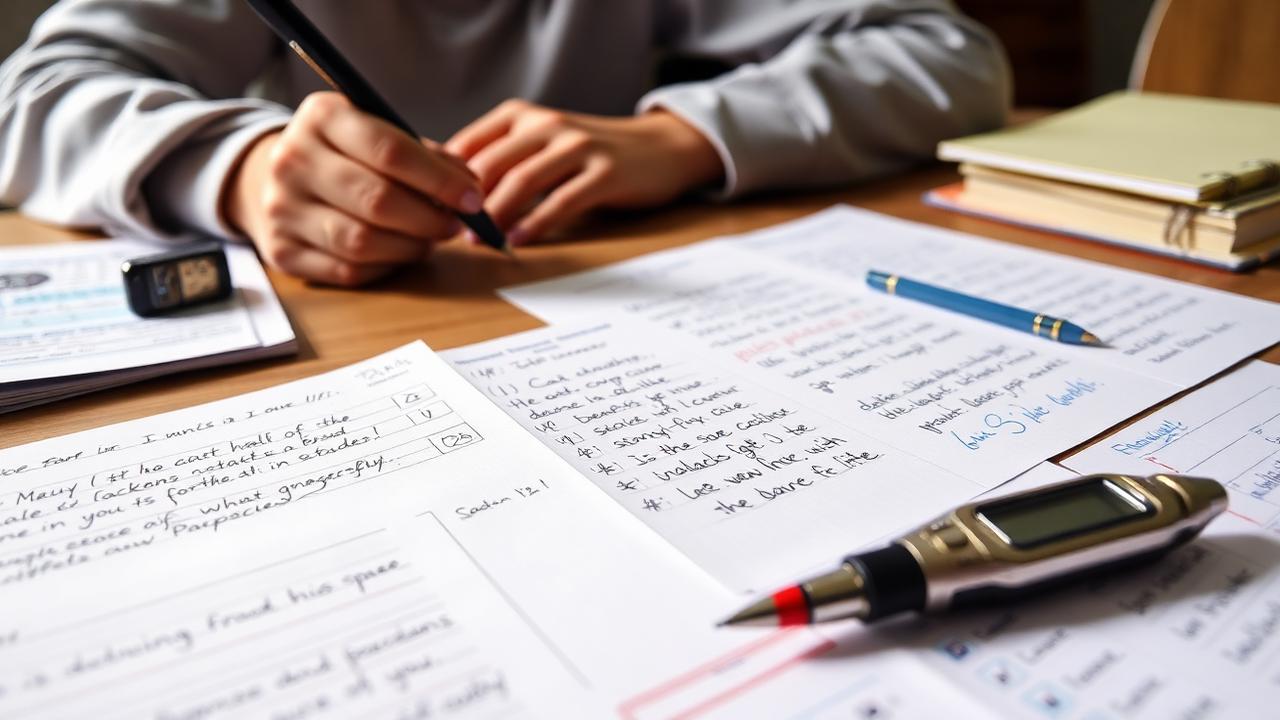
- Writing everything you remember about a topic on a blank sheet, then checking the gaps.
- Turning every heading into a question and answering out loud before you read.
- Doing past questions before you feel ready, on purpose.
- Explaining the topic to a course mate — or to your wall — without notes.
It feels bad. That is the signal that it is working. Rereading feels smooth and comfortable because your brain recognises the words; recognition is not knowledge. In the exam hall nobody shows you the page. They ask you to produce it.
Head to head
| Pomodoro | Active recall | |
|---|---|---|
| Problem it solves | Starting and staying seated | Remembering and reproducing |
| Feels like | Manageable, structured | Uncomfortable, effortful |
| What it needs | A timer or your phone clock | A blank page and honesty |
| Fails when | You fill the blocks with passive reading | You never sit down long enough to use it |
| Best for | Procrastination, long syllabus, short attention | Exams, definitions, calculations, theory |
If you only had to pick one for exam results, pick active recall. But most students who "cannot read" do not have a memory problem, they have a starting problem. That is why the combination beats either one.
The combination I use
Here is the routine, exactly.
Block 1 (25 min) — Learn. Read one section with a question in front of me. Mouth moving. One sentence of summary per paragraph.
Break (5 min). Stand, water, no phone.
Block 2 (25 min) — Recall. Book closed. Write everything I remember from block 1. Then open and mark my gaps in red.
Break (5 min).
Block 3 (25 min) — Apply. Past questions on that exact topic. Timed. No looking at notes until I have written something for every question.
Three blocks, about 90 minutes, one topic properly finished. Compare that with four hours of highlighting and pretending.
Spacing: the free upgrade
Active recall gets stronger when you spread it out. Do not learn a topic today and touch it again the night before the exam.
My spacing pattern:
- Same day: quick recall before bed, five minutes.
- Day 2: recall on blank paper, ten minutes.
- Day 7: past questions on the topic.
- Day 21: one-page summary rewrite from memory.
Four short visits over three weeks beat one long night. This is the single reason some students revise a whole semester in two weeks without panicking — they were quietly revisiting all along.
Nigerian-reality adjustments
No light. Recall needs paper, not power. Keep your recall work for the hours when the lamp is dim or gone. Save fresh reading for daylight.
No data. Neither technique needs data. A ₦200 notebook and a set of past questions will outperform every study app in the store.
Noisy hostel. Shorten the blocks. Fifteen minutes of real focus is better than 25 minutes of pretending you did not hear the argument outside.
Crowded timetable. Attach blocks to fixed events: one block after morning lecture, one before dinner, one after night devotion. Time you have to find never gets found; time attached to a habit does.
Group reading. Use groups only for the apply stage. Meet after everybody has done their own recall, then question each other. Groups that "read together" from page one become gist sessions by page four.
Common mistakes I made so you do not have to
- Timing my rest, not my work. Five minutes on the phone becomes forty. Put the phone in a bag, in another room if possible.
- Highlighting and calling it studying. If your textbook is yellow and your blank page is empty, you have decorated, not learned.
- Recalling only in my head. Writing it down exposes what you actually cannot explain. The head lies; the page does not.
- Doing past questions last. Do them early and badly. They tell you where to read.
- Chasing perfect setups. The best study technique is the one you will start tonight in your current room with your current light.
So which is the best study technique?
The best technique is Pomodoro blocks filled with active recall, spaced across weeks. That is it. Structure for your body, retrieval for your brain, spacing for your memory.
Give it two weeks with one course — not all your courses, just one — and compare how it feels to walk into that test.
Which course are you going to test it on first?